A lot of parents have never heard the words “tongue tie” until a lactation consultant, a pediatrician, or a worried grandmother says them out loud for the first time. Suddenly you are Googling at midnight, trying to figure out if this is something urgent, something minor, or something in between, all while your baby is still struggling to nurse or take a bottle comfortably.
At Purple Tooth Dental, we have been quietly helping Mt Holly families through exactly this moment for a while now, even though it is not something we have talked about much. Dr. Jon performs frenectomies regularly, and he trained in complex pediatric dentistry during his residency in New York, where safety and careful patient evaluation were front and center. If a tight or short frenulum is making feeding harder than it should be, our pediatric dentistry and braces team can take a real look and walk you through what we see, calmly and honestly.
A tongue tie, or ankyloglossia if you want the official term, happens when the thin strip of tissue under a baby’s tongue is shorter or tighter than usual. That can limit how far the tongue moves, which sometimes makes latching, nursing, or even bottle feeding trickier than it needs to be. The American Academy of Pediatrics notes that an estimated 4% to 10% of newborns have some degree of tongue tie, so if you are dealing with this, plenty of other Mt Holly parents have been right where you are.
Here’s the part that might surprise you: not every tongue tie causes a problem, and not every problem is caused by a tongue tie. That is exactly why we take a conservative, patient-first approach instead of jumping straight to a procedure the moment the word comes up.
We start by watching, not assuming. A real evaluation means looking at how your baby’s tongue moves, how feeding is actually going, and whether a tight frenulum is the likely culprit or just one piece of a bigger picture. Some ties genuinely limit movement enough to affect feeding, and others stretch and loosen on their own as your baby grows.
If we do recommend a frenectomy, it helps to know what an early visit with us looks like, and our infant oral health exams are short, gentle, and low pressure. The procedure itself is quick, done right in the office, and most babies are back to nursing or bottle feeding within minutes.
A frenectomy releases the tight tissue so the tongue can move more freely, and for most babies, the whole thing takes just a few minutes. There is some fussing during the procedure, which is normal and expected, but it passes quickly once your baby is back in your arms. We keep things calm and low-key, the same way we do for every visit here, whether your child is six weeks old or six years old.
Afterward, most families notice feeding gets easier within a few days, though every baby is different. We will talk you through exactly what to expect at home, and our team stays available if you have questions once you leave. You can always reach out if anything comes up after your visit.
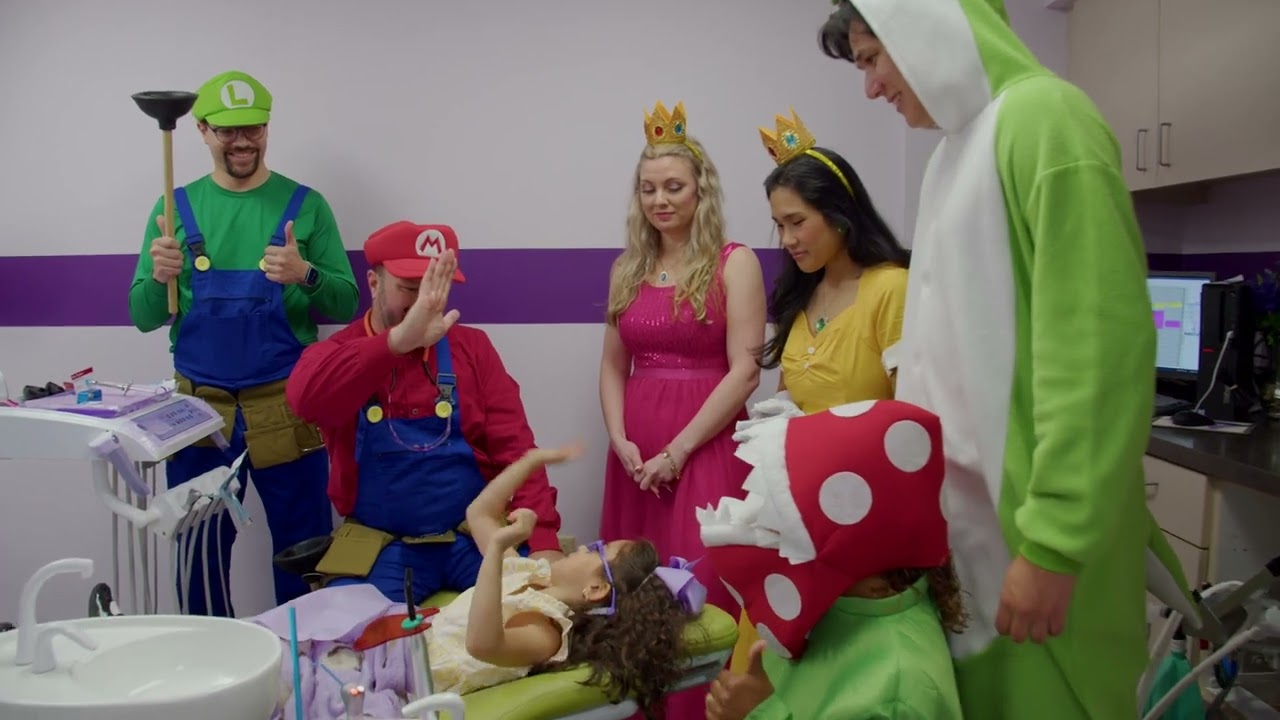
Tongue tie is not the reason most families first walk through our doors, and that is exactly why we make room for it without making a big production out of it. Our comfort room and seasonal displays set the tone here long before a frenectomy ever comes up, and that same easygoing atmosphere carries through even for something as small and delicate as a newborn visit.
Some of our newest patients start here, in this exact moment, before they ever need braces or a routine cleaning. That is a good thing. It means we get to know your family early, and it means your baby’s care grows with them instead of starting over somewhere new every time something changes.
Dr. Jon has performed frenectomies for a while now, using the same conservative, evaluate-first approach that shapes everything else at our office. He completed a pediatric dental residency in New York with specific training in complex pediatric care, and that background is exactly why families trust him with something as delicate as a newborn’s feeding struggles. Whether this is your first visit with us or your fifth, our comfort room, our happy room for the littlest patients, and our genuinely calm approach are all built to make an anxious moment feel a little less overwhelming.
If feeding has felt harder than it should, or if a doctor or lactation consultant has mentioned tongue tie, we would rather take a look now than have you spend more sleepless nights wondering. We are in-network with Delta Dental and accept Medicaid, and our team can talk through what coverage looks like for this specific procedure. Reach out through our contact form to schedule a visit, and let us help you find some peace of mind.